15 Key Items Every First Aid Kit Must Have
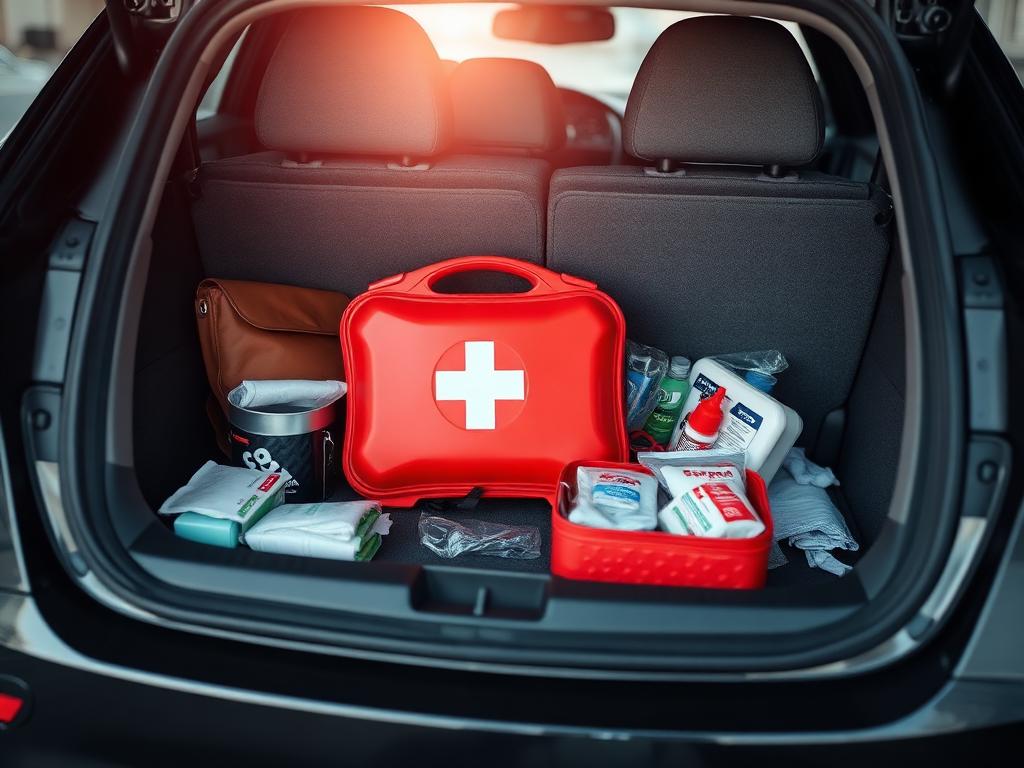
A first aid kit is only as good as what's inside it. This expert-reviewed checklist covers the 15 must-have items — why each earns its place, what to look for, and what to buy.
A first aid kit is only as good as what is inside it. Having a bright red box on your shelf means nothing if it's missing the item you need in the 60 seconds that matter. Whether you're stocking a kit for your home, your car, your workplace, or your next camping trip, the essentials remain the same — and most people are surprised to discover how many "standard" kits sold in stores fall short.
This guide covers the 15 key items every first aid kit must have, why each one earns its place, what to look for when buying, and product recommendations to help you build or upgrade your kit with confidence.
What the Experts Say a First Aid Kit Should Contain
The American Red Cross, OSHA (for workplace kits), and the NHS all publish guidance on first aid kit contents. While their lists vary slightly by context, there's strong consensus on the core items. A well-stocked general-purpose kit should cover:
The Complete First Aid Kit Checklist
Before diving into each item individually, here's your at-a-glance checklist. Print it and use it to audit your existing kit.
| # | Item | Why It Matters |
|---|---|---|
| 1 | Adhesive bandages (assorted) | Cover minor cuts and abrasions |
| 2 | Sterile gauze pads | Wound dressing and pressure application |
| 3 | Medical adhesive tape | Secure dressings and splints |
| 4 | Elastic / compression bandage | Sprains, swelling, pressure dressings |
| 5 | Wound closure strips | Close cuts without stitches |
| 6 | Disposable gloves | Infection control for rescuer and patient |
| 7 | CPR face shield or pocket mask | Safe rescue breaths |
| 8 | Antiseptic wipes | Clean wounds and surrounding skin |
| 9 | Antibiotic ointment | Prevent wound infection |
| 10 | Burn gel or burn dressing | Treat minor burns and scalds |
| 11 | Instant cold pack | Reduce swelling from sprains and injuries |
| 12 | Tweezers | Remove splinters, glass, and debris |
| 13 | Medical scissors / trauma shears | Cut clothing, tape, and bandages |
| 14 | Digital thermometer | Monitor for fever and infection |
| 15 | Emergency first aid guide | Reference under pressure |
1Adhesive Bandages (Assorted Sizes)
The most-used item in any first aid kit, adhesive bandages (plasters / Band-Aids) cover minor cuts, scrapes, blisters, and abrasions. They protect the wound from dirt and bacteria while it heals and help keep it moist — which speeds healing and reduces scarring.
- An assorted pack covering small, medium, large, and knuckle/fingertip sizes
- Flexible fabric bandages — they conform better to joints and fingers than rigid plastic
- Waterproof options for active households or outdoor use
- Hypoallergenic variants for sensitive skin
2Sterile Gauze Pads
Sterile gauze pads are the workhorse of any first aid kit. They're used to dress larger wounds, apply pressure to control bleeding, clean the area around an injury, and pad splints. Where adhesive bandages stop being practical, gauze takes over.
- Individually wrapped, sterile packaging
- Mix of 2×2 inch and 4×4 inch pads
- Non-stick (Telfa-style) pads for wounds where regular gauze would adhere
- Sufficient quantity — at least 10 of each size
3Medical Adhesive Tape
Medical tape holds gauze pads and dressings in place, secures splints, and supports wound closure strips. It's one of those items that seems minor until you need it and don't have it.
- Medical-grade adhesive — household tape irritates skin and slips under tension
- Paper tape for sensitive skin (gentle removal)
- Cloth or silk tape for firmer hold where it matters
- A roll of at least 1 inch × 10 yards
4Elastic / Compression Bandage
Also known as a crepe or ACE bandage, the elastic compression bandage is essential for managing sprains, strains, and swelling. It applies controlled pressure around a joint or limb to reduce swelling and provide support — and can also be used as a pressure dressing over gauze on a heavily bleeding wound.
- Self-adherent (cohesive) bandages are faster to apply under stress
- At least one 3-inch and one 4-inch width
- Washable and reusable for home use; pre-packed single-use for travel kits
5Wound Closure Strips (Butterfly Bandages / Steri-Strips)
Wound closure strips hold the edges of a deeper cut together without stitches. They're used when a wound is too deep for an adhesive bandage but not severe enough (or not yet assessed) for hospital closure. ERs use them after stitching to reinforce closure, and the same clinical-grade product is available for home use.
- Reinforced strips with strong adhesive — cheap versions peel off within hours
- Assorted widths: narrow (1/4 in) for facial cuts, wider (1/2 or 3/4 in) for larger wounds
- Sterile, individually-packaged strips
6Disposable Gloves (Multiple Pairs)
Every first aid kit must contain disposable gloves. They protect you — the rescuer — from blood and bodily fluids, and protect the patient from bacteria introduced from your hands. They're non-negotiable for any wound care situation and for CPR mouth-to-mask contact.
- Nitrile rather than latex — latex allergies are common, nitrile is equally protective
- Powder-free — powder can contaminate wounds
- At least 4 pairs (multiple sizes if shared)
- Examination-grade rather than basic household gloves
7CPR Face Shield or Pocket Mask
A CPR face shield creates a one-way valve barrier between you and the person receiving rescue breaths, reducing the risk of infection transmission. Many people hesitate to perform rescue breaths on a stranger without one — having a face shield removes that barrier and increases the chance that full CPR is actually delivered.
- A one-way valve that prevents backflow — not all face shields include this
- Compact, keychain-sized for portability
- A full pocket mask with oxygen inlet port for clinical-grade protection
8Antiseptic Wipes
Antiseptic wipes clean the skin around a wound before dressing and sanitise tweezers, scissors, and other tools between uses. They're individually wrapped, pre-moistened, and essential for maintaining basic hygiene in the field.
- Individually foil-wrapped to remain sterile until use
- Benzalkonium chloride (BZK) wipes — gentler on tissue than alcohol, preferred for skin around wounds
- Alcohol wipes (70% isopropyl) for tool sterilisation and surface cleaning
- Include both types if possible
9Antibiotic Ointment
A thin layer of antibiotic ointment applied to a cleaned wound before dressing does two critical things: it creates an antimicrobial barrier that prevents infection, and it keeps the wound moist, which accelerates healing and reduces scarring. It's one of the most clinically validated over-the-counter wound care products available.
- Triple antibiotic formula (bacitracin + neomycin + polymyxin B) for broadest coverage
- Single-use sachets for sterility and portability
- Standard tubes for home use — more economical
10Burn Gel or Burn Dressing
Burns are among the most common household injuries. A dedicated burn gel or hydrogel burn dressing cools the burn, prevents further tissue damage from retained heat, and provides a sterile barrier while you transport to medical care if needed.
- Hydrogel-based formula (Water-Jel, Burnshield) — clinically proven for minor burns
- Sterile burn dressings in sealed packaging
- Gel suitable for burns up to 10% of body surface area (minor to moderate)
11Instant Cold Pack
An instant cold pack provides immediate cold therapy for sprains, strains, bruising, insect stings, and swelling — without needing a freezer. Squeeze and shake to activate the chemical reaction that produces cold. Single-use and invaluable for any kit that travels.
- Adequate size — too-small packs don't cover a sprained ankle or knee
- Stays cold for at least 15–20 minutes
- Packaging that doesn't burst under compression in a kit bag
12Tweezers
Tweezers earn their place for splinter removal, removing glass or gravel from wounds, and pulling out insect stingers. They also handle more serious tasks like removing debris before dressing, and pinching a tick for safe removal.
- Stainless steel — rust-resistant and sterilisable
- Fine-point or slant-tip — fine for splinters and stingers, slant for general grabbing
- Sturdy enough not to bend under tension
13Medical Scissors or Trauma Shears
Trauma shears are designed to cut through clothing, seatbelts, bandages, and medical tape quickly and safely without cutting the patient. The blunt tip on the lower blade is purpose-built to slide under fabric and tape without piercing skin.
- Dedicated trauma shears rather than standard scissors — the blunt-tip design genuinely matters
- Stainless steel for durability and sterilisability
- 7.5 inch is the standard size
14Digital Thermometer
A thermometer is a simple but essential diagnostic tool. It tells you whether a fever is present — critical for assessing wound infection, illness in children, and heat-related conditions. An undetected fever is one of the most common ways a serious infection is missed at home.
- Digital rather than mercury — mercury is no longer recommended due to safety concerns
- Fast-reading (under 10 seconds) for use with children
- Dual Fahrenheit/Celsius display
- Forehead (temporal) or ear (tympanic) models are faster and easier with young children
15Emergency First Aid Reference Guide
Under genuine stress, memory fails — even trained first aiders forget steps and sequences. An emergency first aid reference card or booklet gives anyone — trained or untrained — a clear, calm, step-by-step reference to follow in the moment.
- Laminated or waterproof — it will be touched with wet or bloody gloves
- Covers CPR steps, choking, bleeding control, burn treatment, recovery position, when to call 911
- Clear diagrams as well as text — illustrations communicate faster under stress
Items Worth Adding Beyond the Core 15
Once your core kit is stocked, consider these additions based on your household's specific needs:
For families with children
- •Children's pain reliever (liquid + chewable)
- •Oral rehydration sachets
- •Child-sized bandages with fun designs
For allergy sufferers
- •Antihistamine tablets (diphenhydramine / cetirizine)
- •EpiPen if prescribed — non-negotiable if anyone in the household has a severe allergy
For active or outdoor households
- •Moleskin for blister prevention
- •Tick remover tool
- •Snake bite / insect sting kit
- •Emergency mylar (space) blanket
- •SAM splint
- •Whistle for signalling
For any kit
- •Pain relievers (paracetamol / ibuprofen) sealed
- •Antacids
- •Personal medications list and emergency contact card
How to Store and Maintain Your First Aid Kit
A kit that's stocked but neglected can be as dangerous as no kit at all — expired medications, depleted supplies, and degraded packaging fail at the moment they're needed most.
Storage tips
- Store cool, dry, away from direct sunlight
- Out of reach of young children — but every adult knows where it is
- Do not lock the kit — fumbling for a key wastes critical seconds
Maintenance schedule
- Check every 6 months — set a calendar reminder
- Replace used, expired, or damaged-packaging items
- Check expiry on medications, ointment, wipes
- Replenish adhesive bandages and gauze — they deplete fastest
Frequently Asked Questions
What are the most important items in a first aid kit?+
The five most critical items for common emergencies are sterile gauze pads and adhesive bandages (wound care), disposable gloves (infection protection), wound closure strips (deep cut management), an instant cold pack (injury swelling), and an antibiotic ointment (infection prevention). A CPR face shield rounds out the life-safety essentials.
What should be in a first aid kit at home?+
A home first aid kit should cover wound care (bandages, gauze, closure strips, antiseptic, antibiotic ointment), burn treatment (burn gel or dressing), injury support (elastic bandage, cold pack, tweezers, scissors), protective equipment (gloves, CPR face shield), and a digital thermometer and first aid reference guide.
How many items should a first aid kit have?+
The American Red Cross and OSHA both recommend kits with at minimum the core wound-care and CPR supplies covered in this guide. A basic home kit should contain at least 50–100 individual items when individual bandages and wipes are counted. A family kit should aim for 150–300 items to ensure nothing runs out between restocking.
What items should NOT be in a first aid kit?+
Avoid mercury thermometers (safety hazard), expired medications (reduced or unpredictable efficacy), cotton balls in wound care (fibres stick to wounds), hydrogen peroxide for wound irrigation (damages healing tissue), and any prescription medication not specifically assigned to a household member.
How often should I replace first aid kit items?+
Check your kit every 6 months. Replace any item that has been used, shows damaged packaging, or has passed its expiry date. Pay particular attention to medications, antibiotic ointment, and antiseptic wipes, which have finite shelf lives.
Can I buy a pre-made first aid kit or should I build my own?+
Both work. Pre-made kits offer convenience and are often well-priced per item, but many include items you'll rarely use while skimping on high-use items like bandages and gloves. The best approach is to buy a quality pre-made kit as a base and use this checklist to identify and fill any gaps.
The Bottom Line
A first aid kit is not a box you buy, put on a shelf, and forget. It's a living resource that saves time, reduces pain, and in serious situations, saves lives. The 15 items in this guide are the non-negotiables — the items that come up in real first aid situations every day, in homes exactly like yours.
Check your kit against this list today. Fill the gaps. And make sure everyone in your household knows where it is and how to use what's inside it.
Stay prepared
Knowing the steps is half the battle — having the right gear is the other half. Browse our kit recommendations next.
Browse Kit Recommendations →Ready to buy? Get the First Aid Only 298-Piece All-Purpose Emergency Kit:
Buy on AmazonAffiliate disclosure: This post contains affiliate links. As an Amazon Associate we earn from qualifying purchases — at no extra cost to you.
Related posts
How to Treat a Deep Cut at Home: A Step-by-Step First Aid Guide
A calm, step-by-step first aid guide to safely cleaning, closing, and dressing a deep cut at home — and knowing exactly when to head to the ER.
CPR Steps Every Adult Should Know
Learn the essential CPR steps every adult should know — hands-only and full CPR, AED use, and exactly when to start compressions.

Recognizing the Signs of a Stroke: What to Do and How Technology Can Help
Learn how to recognize the signs of a stroke using the FAST and BE-FAST methods, what to do in the first minutes, and how smartwatches and apps can help detect strokes early.